
Coverage Calculators
These charts and calculators offer estimates of material coverage in general conditions
If your project requires additional calculations, please contact us. Follow established installation instructions for best results.
Coverage Chart
One Ton of Rock Covers:
| Square Footage | Depth |
|---|---|
| 240 square feet | 1" deep |
| 120 square feet | 2" deep |
| 80 square feet | 3" deep |
| 60 square feet | 4" deep |
| 50 square feet | 5" deep |
| 40 square feet | 6" deep |
| 20 square feet | 12" deep |
*Above coverage is approximate for rock up to 1 ½" and sand, soils that are weighed.
One Cubic Yard of Soil or Wood Mulch Covers:
| Square Footage | Depth |
|---|---|
| 300 square feet | 1" deep |
| 150 square feet | 2" deep |
| 100 square feet | 3" deep |
| 75 square feet | 4" deep |
| 50 square feet | 6" deep |
| 25 square feet | 12" deep |
*Above coverage is approximate for soil mixes or wood mulch that are sold by the cubic yard.
Material Coverage Conversion Chart
| Material Category | Area Per Ton Coverage |
|---|---|
| Flagstone coverage | 120 sq. ft. per ton up to 1½" thick |
| Flagstone coverage | 80 sq. ft. per ton up to 2"-2¼" thick |
| 2"-4" rock coverage | 60 sq. ft. per ton |
| 4"-8" rock coverage | 40 sq. ft. per ton |
| 4" strip stone coverage | 55 sq. ft. per ton |
| 8" wall rock coverage | 20 sq. ft. per ton |
*Above conversions are approximate for categories listed only.
Turf Masters Lawn and Landscape offers many sizes and colors of decorative rock to choose from for your landscape project. To customize your landscape, see our display areas to find the product best suited for you.
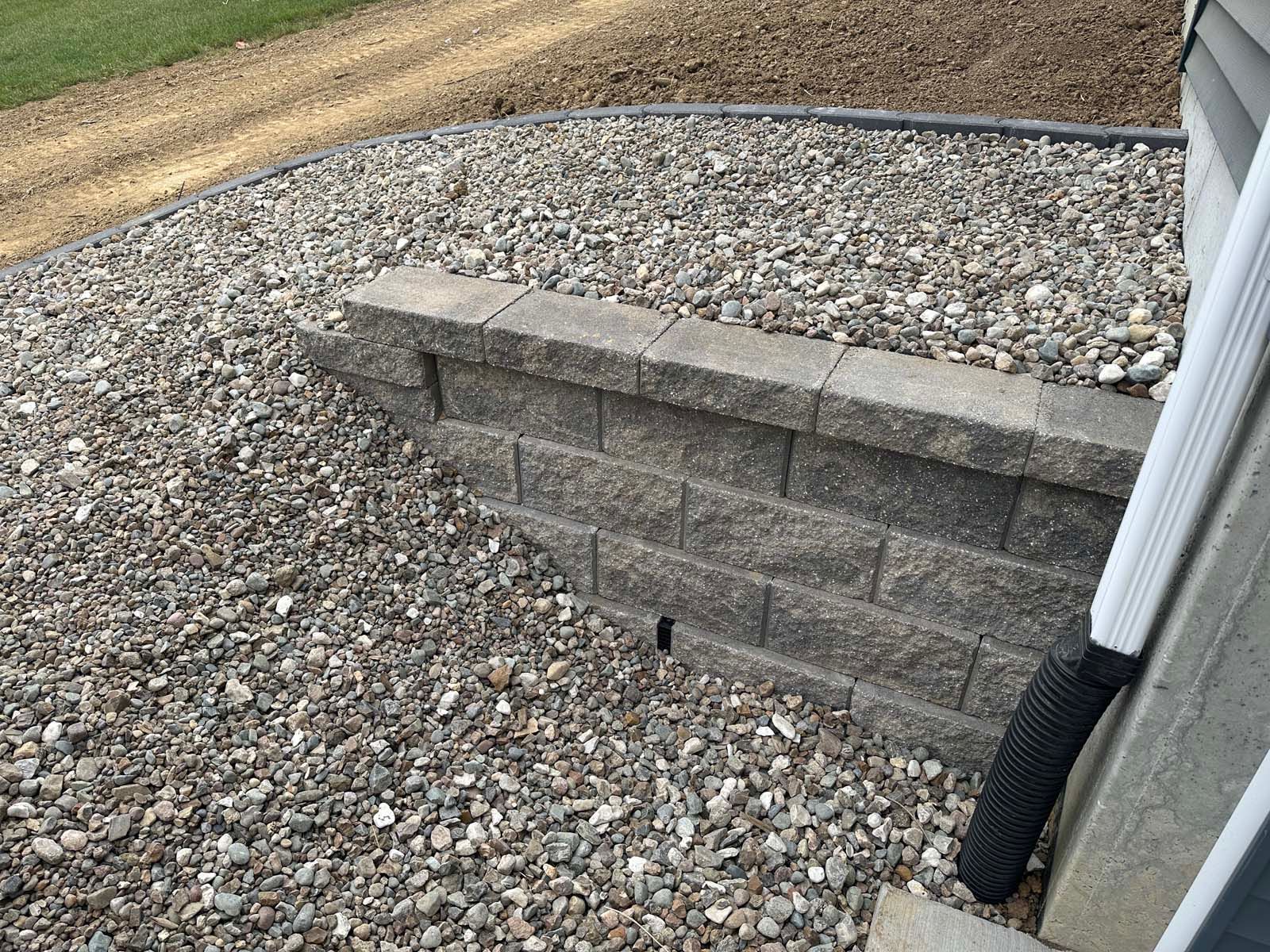
For high-traffic areas, driveways and walkways, we recommend ¾" rock, road base or breeze products. Where pedestrian traffic is not expected, and on slopes, borders, and around foundations, 1½" rock is usually appropriate. For berms or steep slopes, we recommend larger cobblestone or rip rap for best results. A combination of materials, sizes and colors can provide for striking results. Weed prevention and water drainage issues should be addressed prior to installation.
Preparation of the designated area is crucial to the long-term success of the project. Water penetrates landscape fabric, draining into the soil beneath it while controlling weed growth. Landscape fabric also withstands extreme temperatures and ultraviolet rays and can be installed close to plant material.
Timely ordering of products and materials, and having necessary supplies ready can make the actual installation very efficient. Consult the experts at Turf Masters Lawn and Landscape for advice in planning the time of delivery for your products and the delivery location.
Installing Decorative Rock
Project Planning
- Determine area to be covered
- Measure area and consider depth of coverage
- Select the products or type of coverage material to be used
- Determine weed barrier and edging product to be used
- List other necessary tools (wheelbarrow, shovels, rakes, gloves, etc.)
- Calculate the quantity and cost of products needed
Installation Procedures
- Order products and materials to be delivered
- Gather weed barrier (landscape fabric), edging product and tools
Site Preparation
- Clean off the designated area of any existing weeds, debris and large rocks
- Install the edging so it overlaps at each joint, secure in place
- Begin installing the landscape fabric from lower areas to higher areas
- Overlap fabric a minimum of 4" at joints and 3" at foundations and edging
- Install fabric so higher area fabric overlaps on top of lower area fabric
- Always overlap fabric so any drainage flows over joints rather than under
Installation of Product
- Begin installing product at the low end of the area, work toward high end
- This offers a foundation to work from, walking on installed product, not fabric
- When all area is covered sufficiently, rake smooth for uniformity of appearance
- Wash the rock products with a garden hose to clean off dirt and enhance color